
Nest Conversations With Ricki Weisberg!
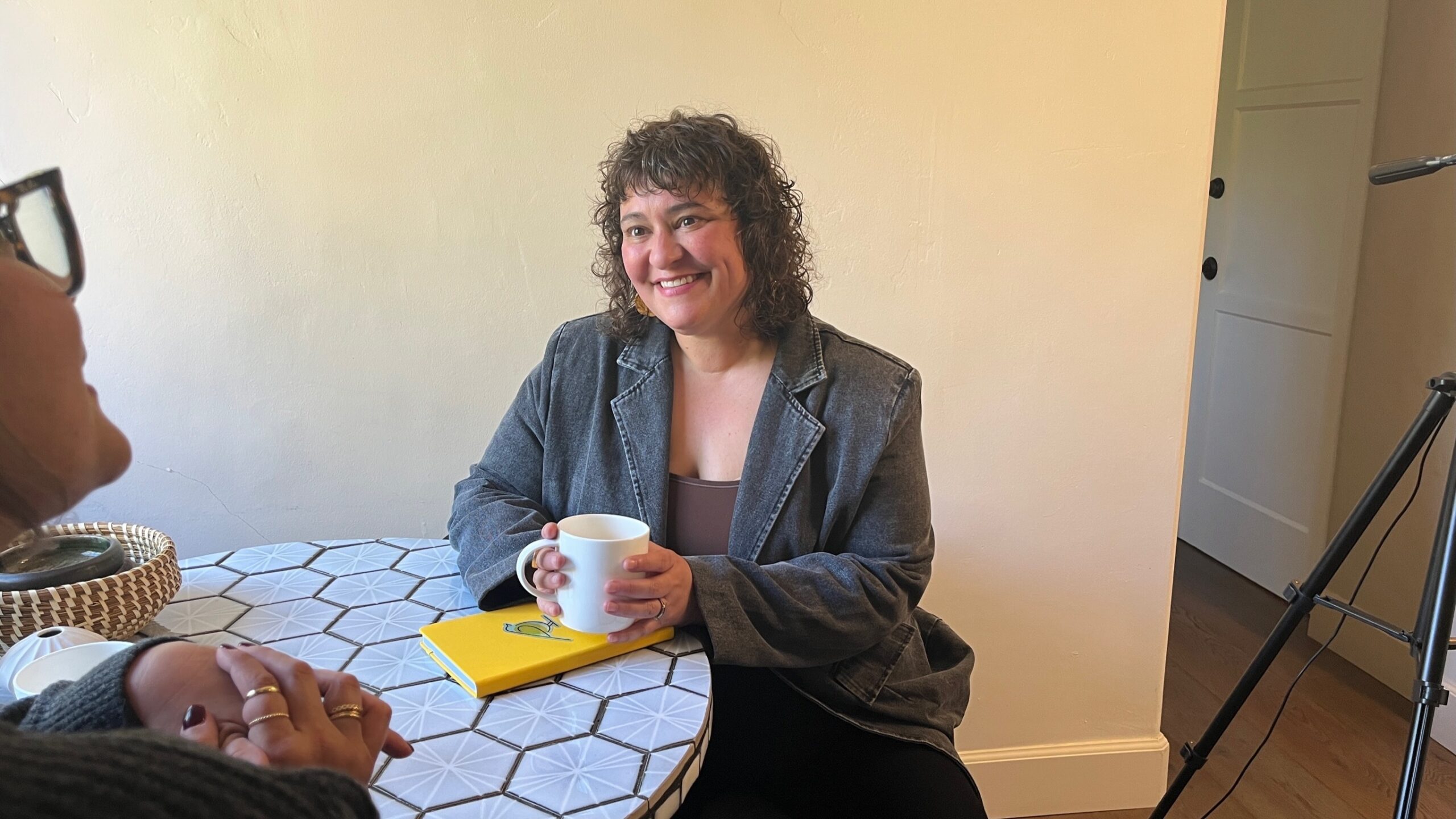
- What inspired you to start Bird Hill PR?
“My inspiration for founding Bird Hill PR came from my years working in-house for non-profit organizations in Washington, D.C.. I saw first-hand that incredible, mission-driven work was often going unrecognized because of a lack of proactive PR strategy and the fact that most internal comms teams simply don’t have the bandwidth to manage high-level media outreach.
I discovered that I loved the challenge of moving people to action through communications.
I wanted to create a boutique agency that serves as a passionate extension of these teams, using my 20+ years of experience to ‘make the news’ for organizations working to make the world a better place.
- What’s something you wish you had known earlier while starting your business?
“I wish I had been more selective about my ideal client earlier on. While it’s tempting to take every opportunity when starting out, I’ve learned that my services are most effective for organizations that have already invested in internal infrastructure. If a non-profit doesn’t have the team to implement the strategies we provide, it ends up being just another file sitting in a Google Drive. Being pickier about clients may feel like a short-term hit, but it’s actually a vital long-term growth strategy for the business. I’ve also learned the immense value of networking with other freelancers. One of my favorite parts of this job is being able to pay other women and support them in building careers outside of traditional corporate structures.”
- What does success look like for you when it comes to BH (in terms of non-profit PR)?
“For Bird Hill, success is measured by the tangible impact we create for our clients, like the 1.75 billion in audience reach we secured in 2024, but it’s also about the internal transformation we see within an organization.
One of my favorite indicators of success is the ‘ripple effect’ of our media training. We often start with executives who are understandably skeptical or nervous about being in the spotlight. When we help them find their voice and they see the positive results of a high-stakes interview, it creates an incredible shift in culture. Suddenly, we have other staff members who were initially hesitant, reaching out and asking to be trained because they’ve seen how empowering it is to own their narrative.
Beyond the headlines, success means being a trusted sounding board and a safe space for non-profit leaders. Executives carry an immense amount of pressure; having apartner they can talk to candidly about complex comms strategies before they go public is vital. When a leader feels confident and supported in their messaging, that is a huge win for us.”
4. What have you noticed and would like to see change in the non-profit PR space?
“I’ve noticed a growing ‘expectations gap’ that is leading to burnout across the sector. We see non-profits posting job descriptions for communications roles that are frankly unrealistic. These ‘unicorn’ postings ask for one person to be a master of PR, social media, graphic design, web development, and internal comms all at once. It sets the staff member up to fail and ensures the organization’s strategy remains surface-level.
I would love to see a shift toward organizations investing more deeply in both specialized staff and outside consultants. Success happens when you have a focused internal team supported by experts like we are at Bird Hill, who can provide the high-level strategy and media relationships that a single overworked ‘comms person’ simply doesn’t have the bandwidth to maintain. Beyond staffing, I want to see a move away from technical jargon and toward human-centered storytelling. People connect with journeys, not just data points. Finally, I’d like to see non-profits embrace ‘PR as a marathon, not a sprint.’ It shouldn’t be something you only think about for a gala or a crisis; it should be a consistent, proactive investment in your organization’s long-term credibility.”

Be the first to comment